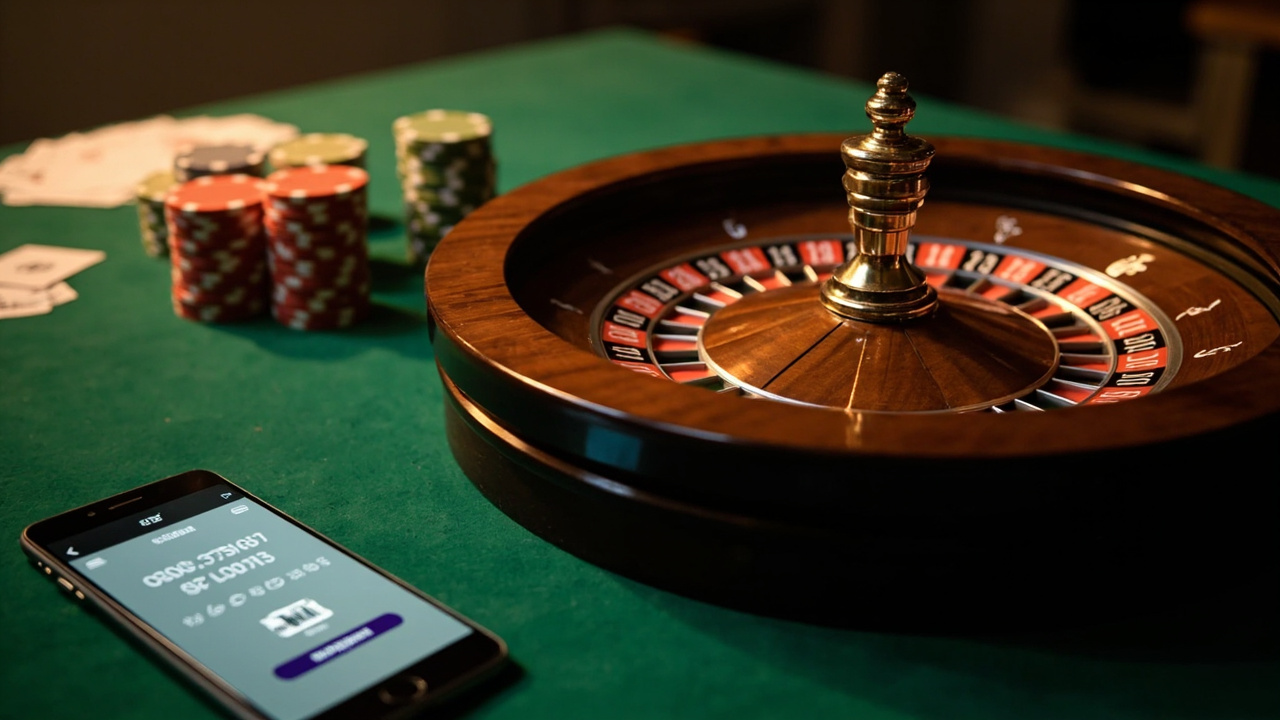
Walking into a casino floor feels a bit like walking into a Melbourne tram during peak hour, loud and full of motion, and sometimes you need a proper exit plan. Jason Lorch spent over twenty years inside the machinery, building slot strategies for NextGen, NYX, and IGT, so he knows exactly how the lights and sounds can hook a player deep. That background makes his take on gambling recovery books worth a second look, because he compares the discipline required to manage a live table to the discipline needed to step away from the screen. You do not need a fancy guide to tell you to stop, you need something that understands the pull. If you have ever found yourself checking odds on a site like woo hoo casino when you meant to log off, you will know the feeling is real and stubborn.
The Veteran Lens On Self Help Material

Jason Lorch’s twenty-four years inside the industry give him a rare angle on gambling recovery books, because he has watched thousands of players chase losses on NextGen and NYX titles long before he ever wrote a strategy document. He reckons the best recovery material does not talk down to you or pretend the machine is rigged against your skill, it just maps the psychology of the near miss and the bonus trigger so you can spot the trap before it snaps shut. When he compares a well written recovery book to a solid creative strategy session at IGT, he means both need clear boundaries, measurable checkpoints, and zero fluff around the edges. You want a text that treats your habit like a live operation, not a moral failing, because that is the only way the advice sticks when the arvo rolls around and the urge creeps back in. The right book will lay out the same kind of structured thinking a team leader uses to keep a busy floor running without burning out the staff, and that practical frame is what separates a useful read from a generic pep talk.
Picking The Right Fit For Your Situation
Not every gambling recovery books title lands the same way for every player, and you defo need to match the material to where you are actually standing right now. If you are the sort who plays for the social buzz on a Friday night and can walk away when the drinks run out, a shorter workbook that focuses on trigger spotting and time limits will do the job without dragging you through clinical chapters you will skip anyway. For the player who has chased a bonus round until the early hours and ignored three missed calls from family, you need something with a harder line on bankroll boundaries and a clear plan for handing over control to a mate or a professional service. Jason Lorch has seen both profiles on the floor, and he treats them like different game modes that need different settings, not like one size fits all solutions. A good recovery book will ask you to map your own play patterns first, then hand you the tools to interrupt the loop before it spins out of control, which is the only approach that actually holds up when the temptation is right there on your phone.
On the other hand, if you’re chasing losses or using bets to cope with stress, you’ll want something with more depth on emotional regulation and relapse prevention. Don’t just grab the first thing off the shelf; check how the advice aligns with your actual habits before committing to a program. You might even find it helpful to read through community discussions at woo hoo casino to see what others have found useful.

Keeping The Advice Working After The First Read
The hard part with any gambling recovery books purchase is keeping the lessons alive after the cover closes and the daily routine kicks back in. Jason Lorch compares that follow through to running a loyalty programme that actually rewards repeat discipline, not just a one off bonus that vanishes the moment you hit a losing streak. You want a book that gives you a repeatable check in system, something you can revisit every couple of weeks to see if your boundaries are still holding or if the old habits are creeping back in through the cracks. A solid recovery text will also point you toward local support options and practical steps like setting deposit limits or handing your cards to someone you trust, which is the kind of ongoing structure that matters when you are sitting in a Melbourne café on a slow Tuesday and the screen is only a tap away. If the material treats recovery like a one time fix, you can leave it on the shelf, but if it treats it like a live maintenance schedule, you will keep coming back to the same pages when you need them most.